
Blog

First Time Visit to Benin City and OgbaZoo
A first time guest in Benin City, describes her adventure at Ogba Zoo and Nature Park
Animal Nutrition in Zoos: Health and Well-being of Captive Animals
Animal Nutrition in Zoos: Health and Well-being of Captive Animals
The feeding of animals in the zoo is serious and shouldn’t be casualized. It is directly linked to the health and well-being of animals in zoos.
By prioritizing wildlife nutrition, zoos provide exceptional care for animals, support their health, well-being, and conservation.
Zoos work with wildlife nutritionists, veterinarians, and animal care specialists to develop tailored diets that meet the specific needs of each species.
Key Considerations for feed selection
- Nutrients: Zoos ensure that animals receive the necessary nutrients, vitamins, and minerals for optimal health.
- Diet preferences: Diets are designed to mimic natural feeding behaviors and provide variety to keep animals engaged and stimulated.
- Food quality and safety: Zoos prioritize food quality and safety to prevent illness and ensure the well-being of their animals.
Benefits of Proper Nutrition:
- Improved health, support immune function, growth, function, and overall wellbeing
- Behavioral well-being: Proper nutrition helps reduce stress and promotes natural behaviors.
- Conservation: By maintaining healthy animal populations, zoos contribute to conservation efforts.
Types of feed to choose from
- Natural feed based on species original feed preferences
- Customized diets: Zoos/nutrition experts develop diets tailored to specific species’ needs, taking into account factors like age, health, and activity level.
- Commercial feed: Purchase already-made feed
- Enrichment feeding: Zoos use feeding techniques that stimulate natural foraging behaviors, promoting mental and physical stimulation.
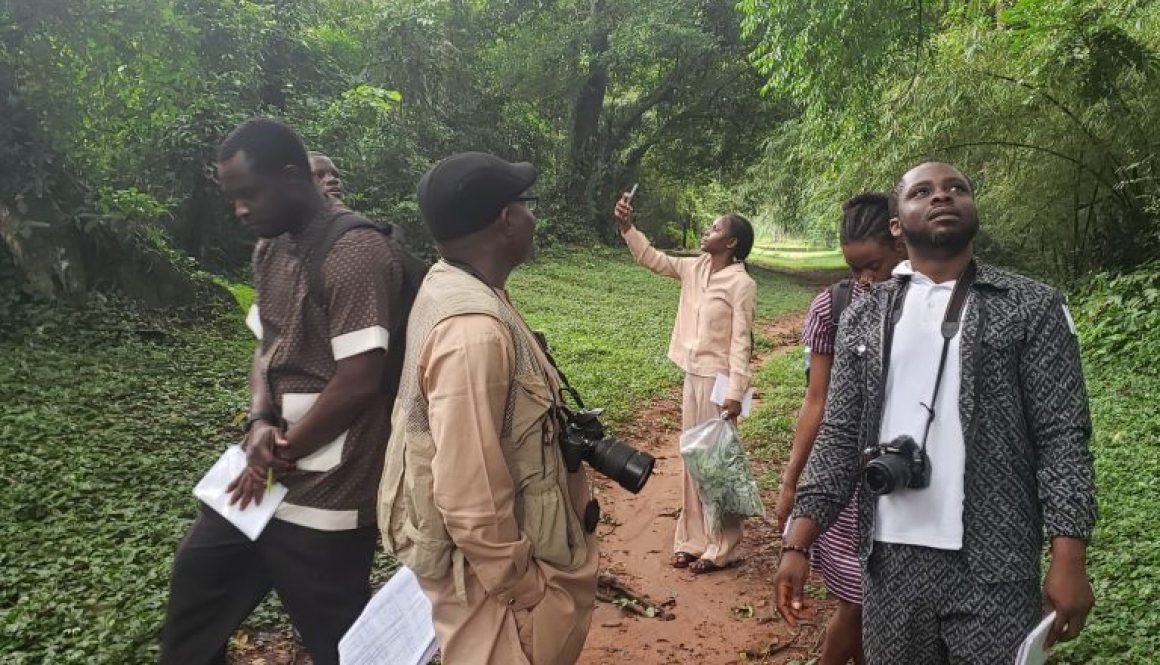
A Field trip to Ogba Zoo and Nature Park, Benin City by University Students
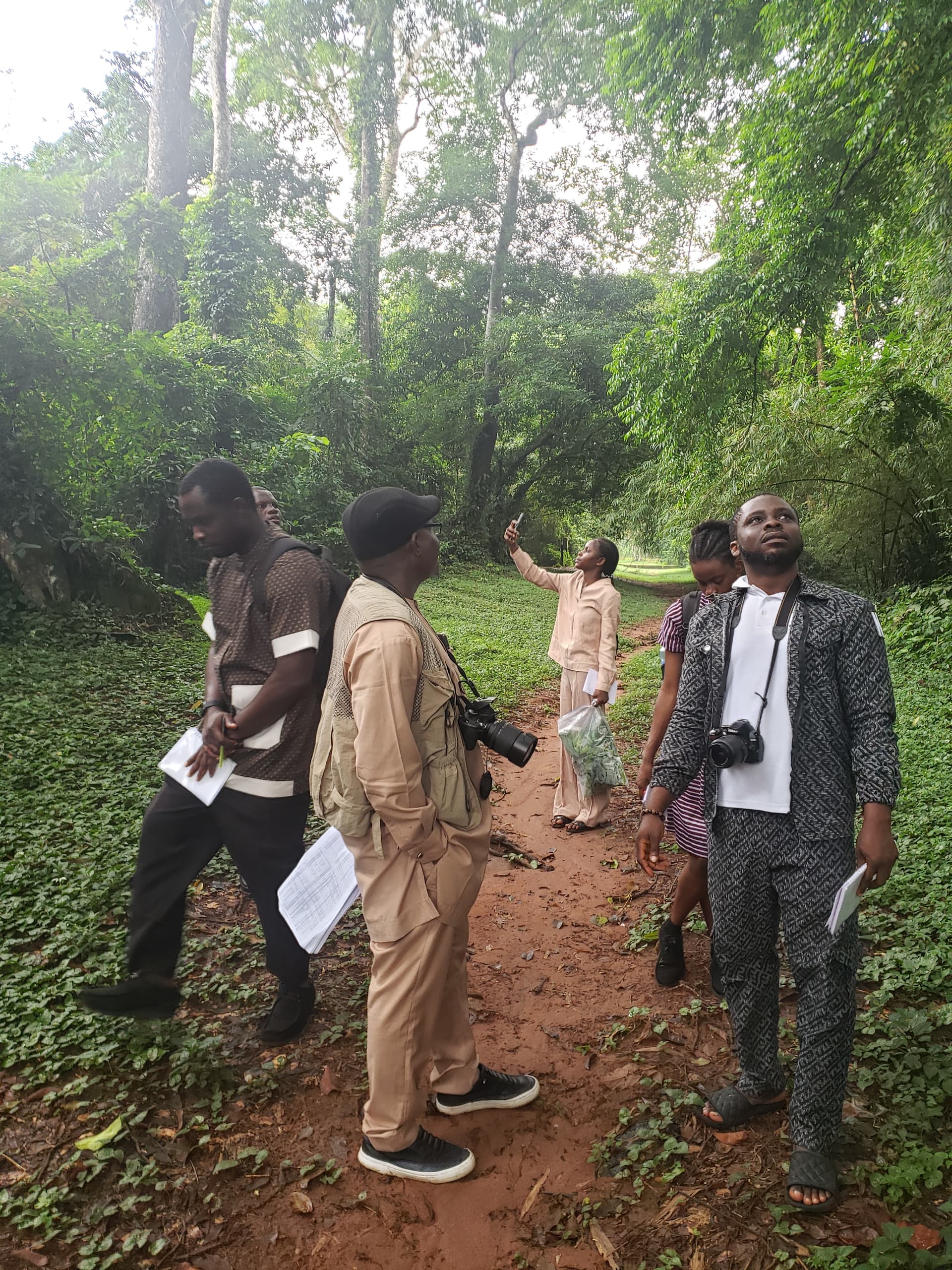
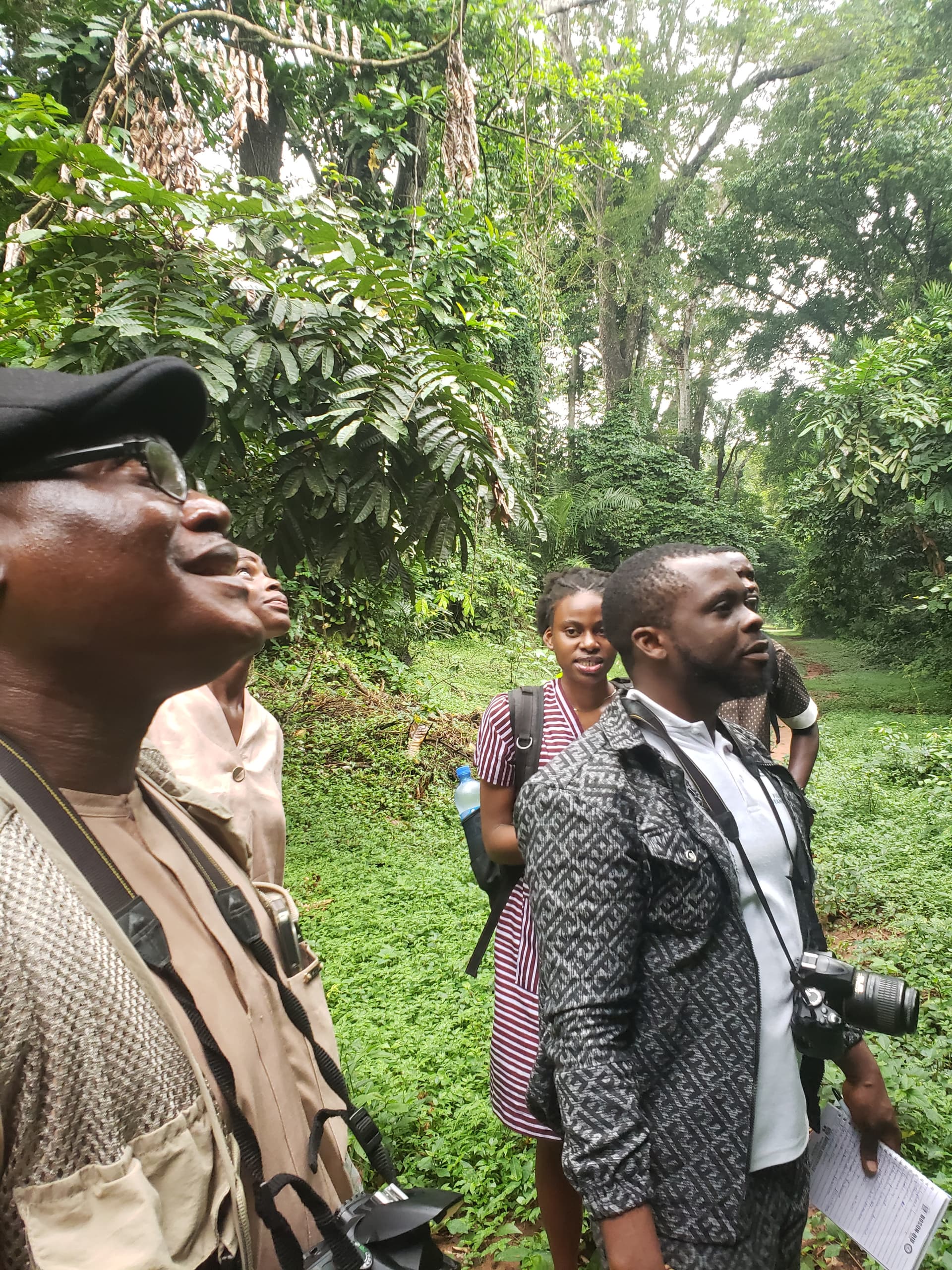
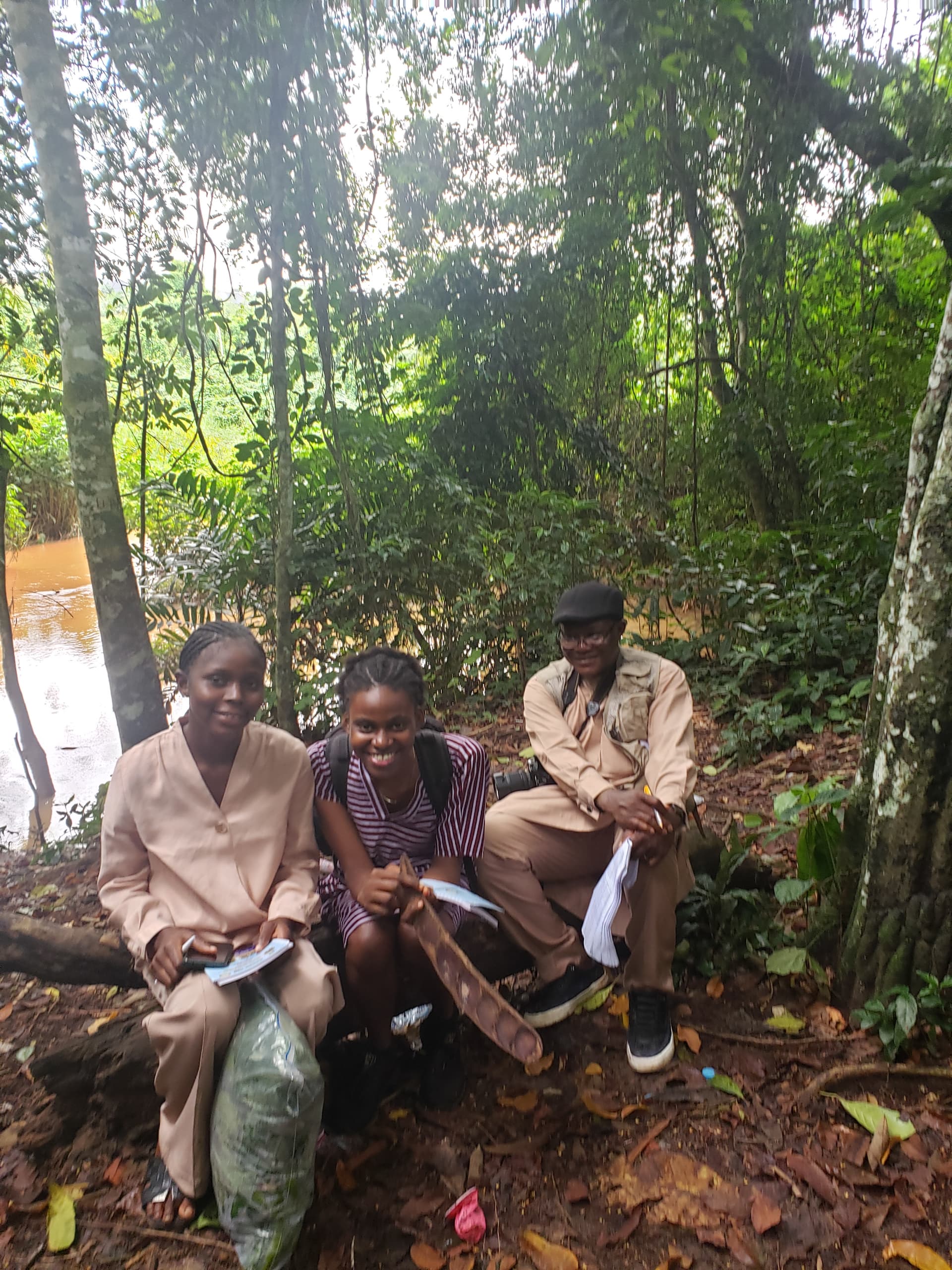
A Field trip to Ogba Zoo and Nature Park, Benin City, on Friday, July 25, 2025, with Professor Emmanuel Aigbokhan and a handful of BOSON–BIU conference delegates, students, from the University of Nigeria, Nsukka, Delta State University, Abraka and the University of Delta, Agbor.



Domestic and Ecotourism and Exhibition Seminar Workshop 2025
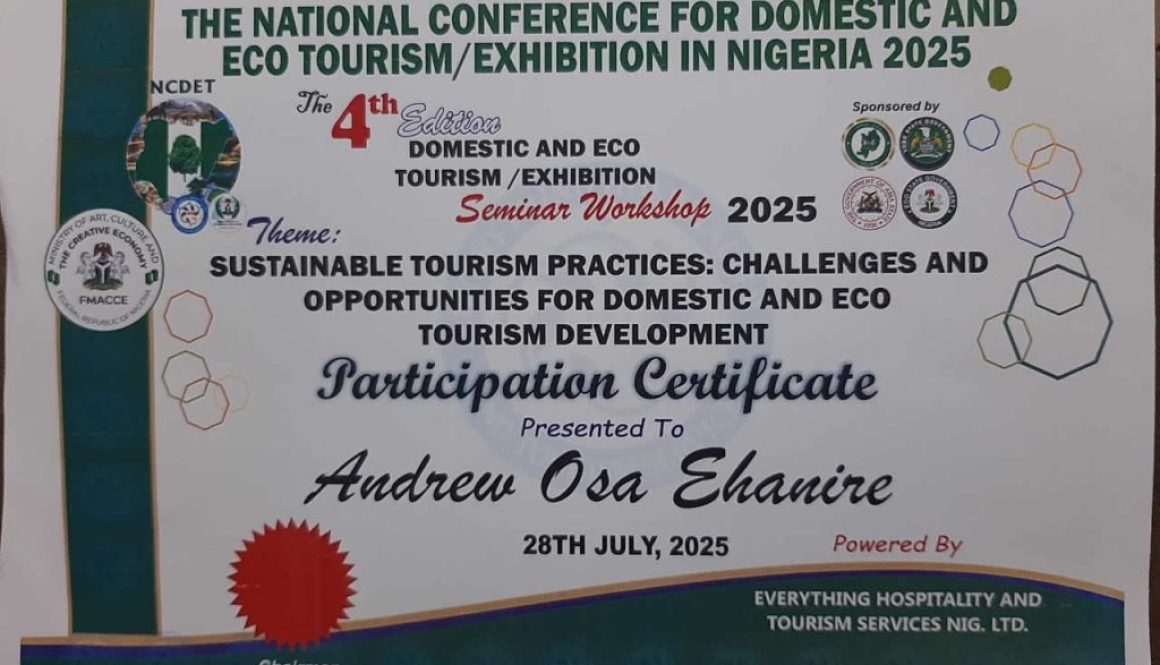
MINISTRY OF ART, CULTURE AND THE CREATIVE ECONOMY (FMACCE)
FEDERAL REPUBLIC OF NICERIA
THE NATIONAL CONFERENCE FOR DOMESTIC AND ECO TOURISM/EXHIBITION IN NIGERIA 2025 (NCDET)
The 4th Edition:
DOMESTIC AND ECO TOURISM/EXHIBITION
Seminar Workshop 2025
Theme:
SUSTAINABLE TOURISM PRACTICES: CHALLENGES AND OPPORTUNITIES FOR DOMESTIC AND ECO TOURISM DEVELOPMENT
Participation Certificate
Presented To
Andrew Osa Ehanire
28TH JULY, 2025
Powered By
EVERYTHING HOSPITALITY AND TOURISM SERVICES NIG. LTD.
Chairman,
Main Organizing Committee NCDET
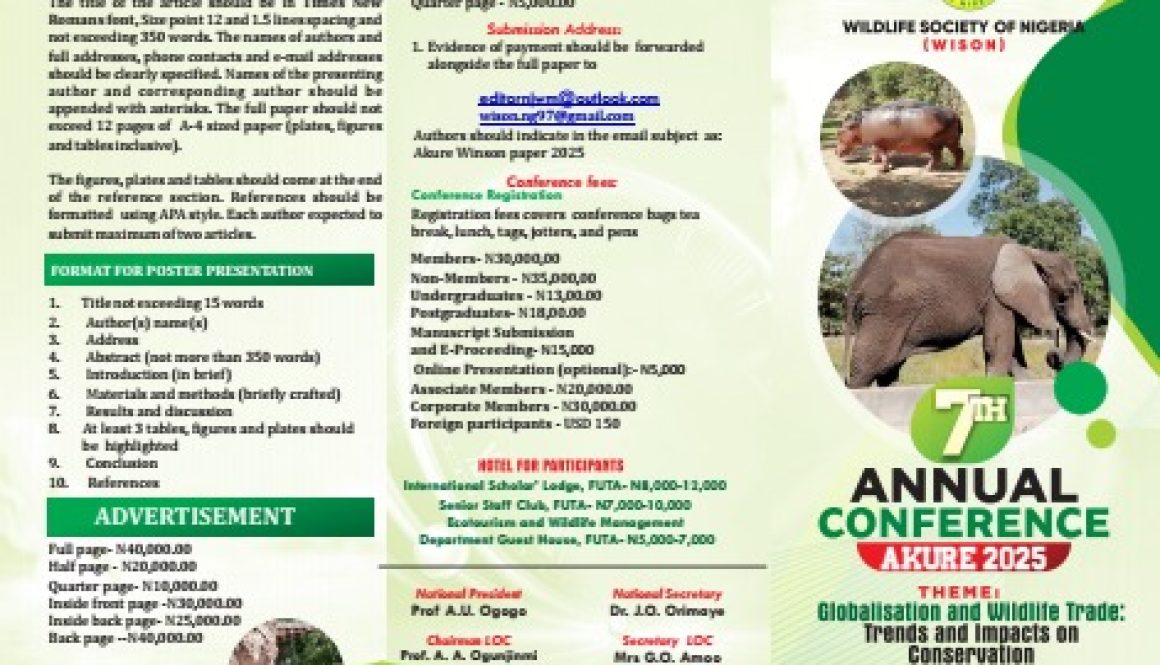
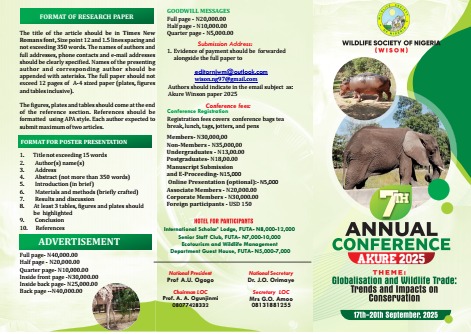
Wildlife Society of Nigeria (WISON) 7th Annual Conference Akure 2025
Theme: Globalization and Wildlife Trade: Trends and Impacts on Conservation
17- 20th September, 2025
WISON Conference
The Local Organizing Committee of the Wildlife Society of Nigeria (WISON) invites researchers and practitioners in the fields of Forestry, Wildlife, Plant Sciences, Ecotourism Management, Tourism Management, Hospitality Management, Microbiology, Zoology, Genetics, Biotechnology, Environmental Sciences, Biochemistry, Social Sciences, and related disciplines to submit their full research papers for the 7th Annual Conference of WISON, which will be held at the Federal University of Technology Akure, Nigeria, from September 17th to 20th, 2025.
Conference Theme:
Globalization and Wildlife Trade: Trends and Impacts on Conservation
Sub-themes include:
- The Role of Global Supply Chains in the Illegal and Legal Wildlife Trade
- Economic Drivers of Wildlife Trafficking in a Globalized World
- Impacts of Wildlife Trade on Biodiversity, Wetlands, and Ecosystem Change.
- Regulatory Frameworks and Enforcement Challenges in Wildlife Conservation Governance
- Community-Based Conservation and Local Responses to Global Wildlife Trade
- Emerging Technologies and Innovations in Combating Wildlife Crime
- Ethical Considerations in the Wildlife Trade: Balancing Conservation and Commerce
- Community Engagement, Human-Wildlife Conflicts, and Sustainable Utilization of Wildlife Resources
- Wildlife Diseases and Human Health
- Sustainable Tourism, Hospitality Industry, and Wildlife Trade: Finding a Balance
Manuscript Submission Guidelines:
- Papers should be a maximum of 12 pages (including figures, plates, and tables)
- The title of the paper should be concise (maximum of 15 words).
- Manuscripts must be formatted according to the provided APA style.
- The abstract should not exceed 350 words.
- The full paper should include sections: Introduction, Materials and Methods, Results and Discussion, Conclusion, and at least three tables, figures, or plates.
- Authors may submit up to two papers.
- Manuscripts should be submitted via email by August 31, 2025.
- Include a payment proof of the N15,000 manuscript submission fee (payment details are provided in the document).
- Authors should indicate in the email subject Akure WISON paper 2025
Manuscript Submission Email:
- editornjwm@outlook.com
- wison.ng97@gmail.com
For more details on registration, accommodation, and conference fees:
Conference Region Registration fees covers conference bags tea break, lunch, tags, jotters and pens
- Members-N30,000,00
- Non-Members-N35,000,00 Undergraduates-N13,00.00
- Postgraduates-N18,00.00
- Online Presentation (optional)-N5,000
- Associate Members-N20,000.00
- Corporate Members-N30,000.00
- Foreign participants – $150 USD
Hotel For Participants
- International Scholar Lodge, FUTA N8,000-12,000
- Senior Staff Club, FUTA-N7,000-10,000
- Department Guest House, FUTA-N5,000-7,000
Flier

Visit to OgbaZoo with Ecologist
Today, I was opportuned to go to Ogba Zoo for Field trip with the Professor Emmanuel Izaka Aigbokhan , who is a Legendary Ecologist and Strigologist.
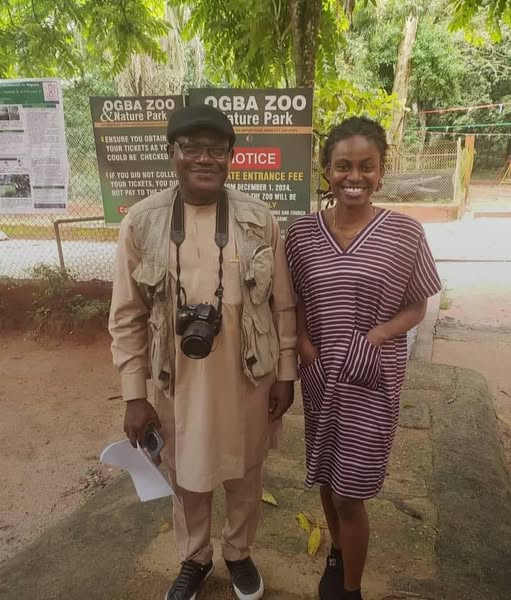
And two of my lecturers Mr. Felix Filix-mas Nwafor, a taxanomist and Dr. Osibe Dandy, a Plant pathologist.
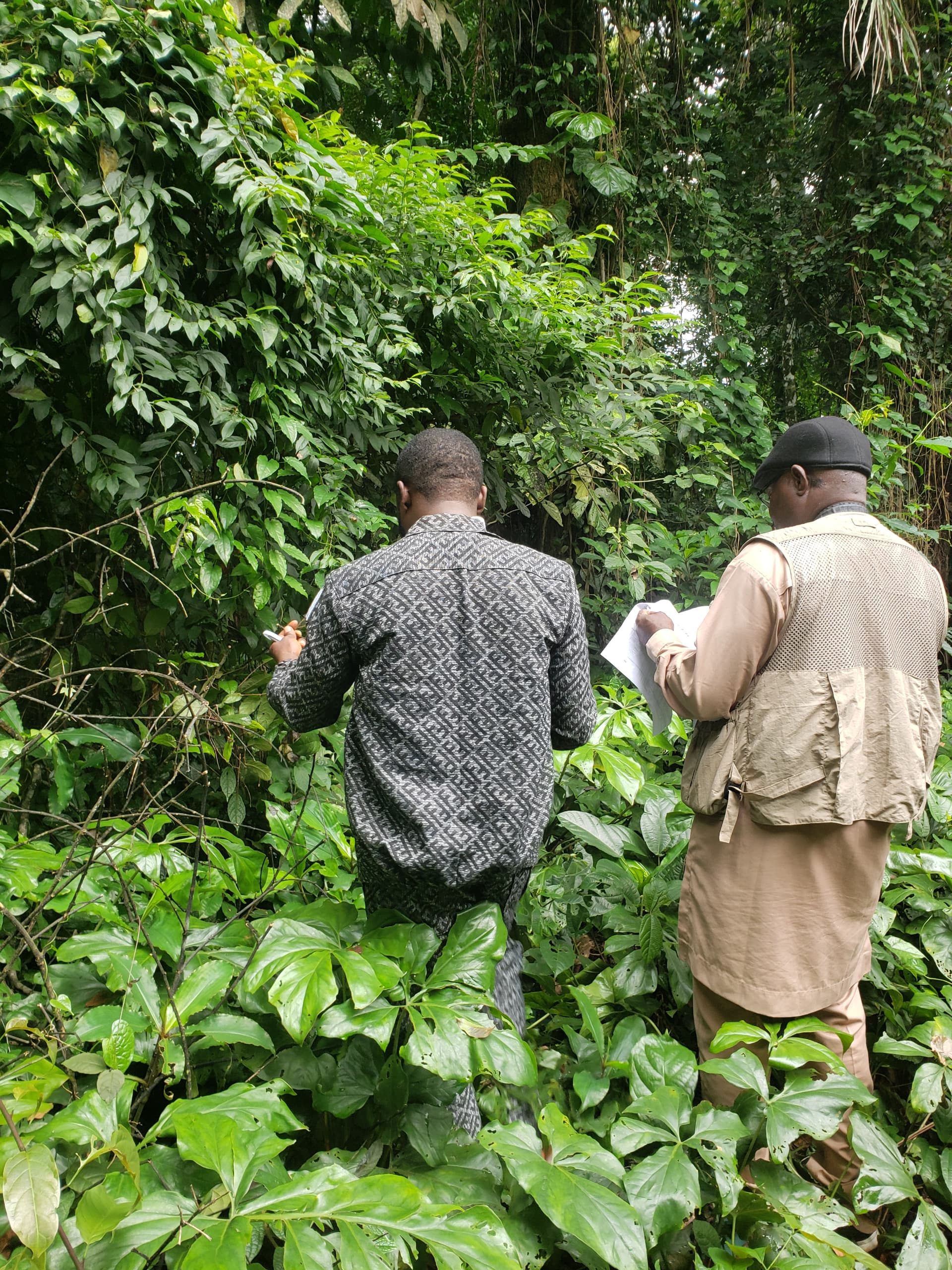
The facial expression of Professor was due to the fact that Mr. Felix could literary identify and name almost all the plant species in the Forest at Ogba Zoo, indeed surprising.
It was absolutely an exploring, entertaining and education session, visiting every nook and cranny of the natural sacred forest. Even though the vegetative area was what stole our major interest, we went over the other side to see the animals in the Zoo.
I saw various species of birds, pythons, monkeys, crocodiles, porcupine, peafowl and many more.
All I can say is. nature is wonderful beyond what we can think of it.
I truly enjoyed my stay in BENIN CITY
As I am no longer the way I went.
I am learning from the best.
 Queen Esther Benjamin