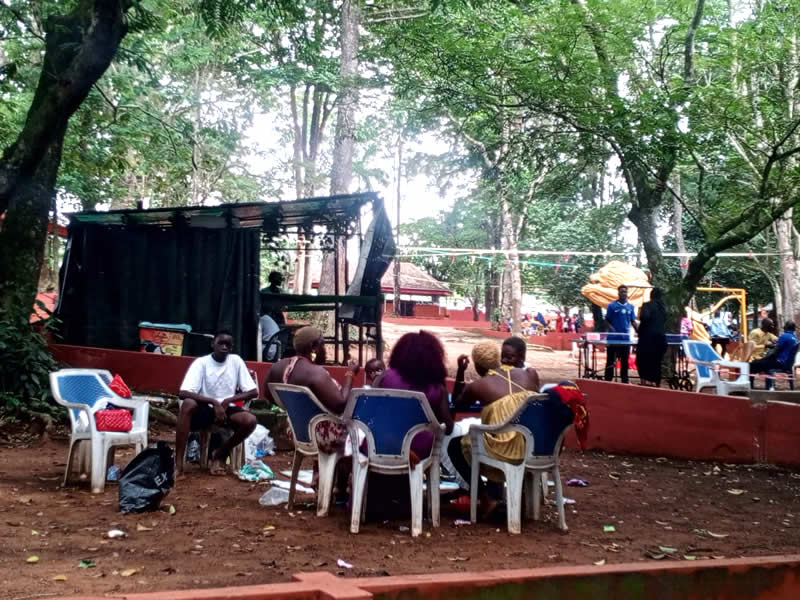
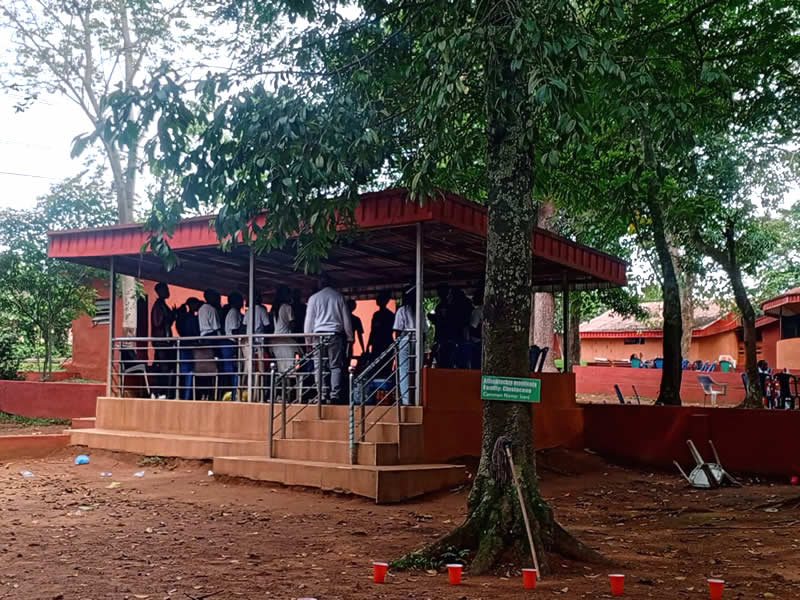
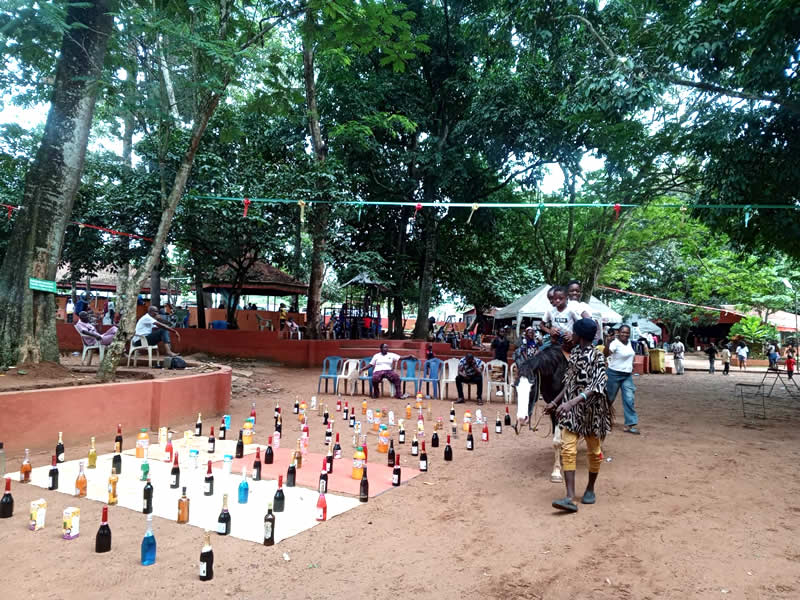
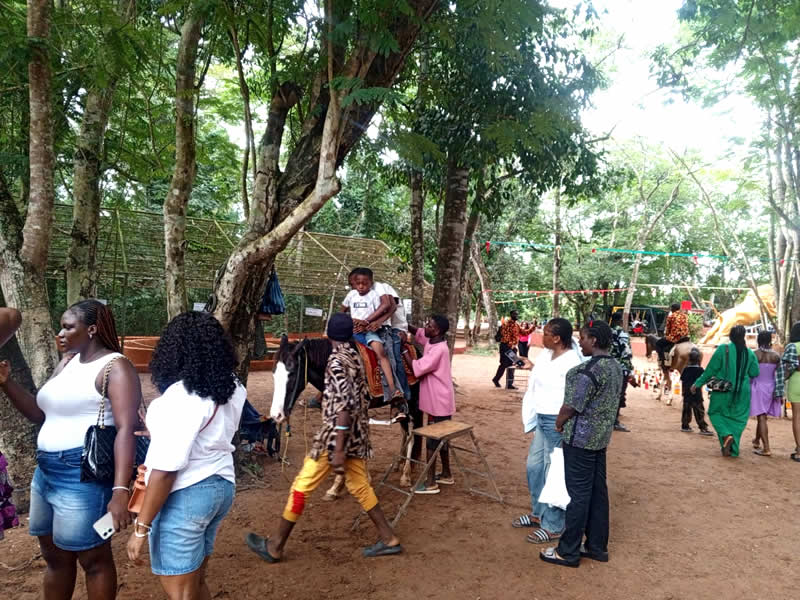
Held at the Federal University of Technology, Akure, Ondo State, from 17th to 20Th September 2025
The Wildlife Society of Nigeria (WISON), the leading professional body dedicated to advancing wildlife conservation, biodiversity protection, and sustainable natural resource management, successfully held its 7th Annual General Meeting (AGM) at the Federal University of Technology, Akure (FUTA), Ondo State, between 17th and 20th September 2025.
The conference theme, “Globalisation and Wildlife Trade: Trends and Impacts on Conservation,” provided a timely platform to interrogate the complex interplay between global supply chains, biodiversity decline, community livelihoods, and policy frameworks that shape the future of wildlife conservation.
Conference Proceedings
The AGM attracted a diverse range of stakeholders, including academics, researchers, students, practitioners, conservation NGOs, government agencies, community representatives, and international partners. Over 70 peer-reviewed papers were presented across the 10 subthemes,
Namely:
- The Role of Global Supply Chains in the Illegal and Legal Wildlife Trade
- Economic Drivers of Wildlife Trafficking in a Globalised World
- Impacts of Wildlife Trade on Biodiversity, Wetlands, and Ecosystem Change
- Regulatory Frameworks and Enforcement Challenges in Wildlife Conservation
Governance
- Community-Based Conservation and Local Responses to Global Wildlife Trade
- Emerging Technologies and Innovations in Combating Wildlife Crime
- Ethical Considerations in the Wildlife Trade: Balancing Conservation and Commerce
- Community Engagement, Human–Wildlife Conflicts and Sustainable Utilisation of Wildlife Resources
- Wildlife Diseases and Human Health
- Sustainable Tourism, Hospitality Industry, and Wildlife Trade: Finding a Balance
The technical sessions provided a rich exchange of empirical evidence, practical case studies,and innovative approaches to strengthening wildlife conservation in Nigeria and beyond.
Key Highlights
Recognition and Awards:
- Six distinguished professionals were awarded the Fellowship of the Wildlife Society of Nigeria (FWISON) for their outstanding contributions to conservation.
- Three eminent personalities received Honorary Awards for their exceptional support and advocacy for biodiversity protection.
Stakeholder Collaboration:
Strong calls were made for greater collaboration among local communities, researchers, policymakers, enforcement agencies, and international organisations to address the drivers of illegal wildlife trade.
Youth and Grassroots Engagement:
The Society emphasised the role of youths and rural communities in conservation, noting that sustainable progress requires their empowerment and inclusion in decision making processes.
4. AGM Deliberations:
The AGM concluded with the election of new officers to steer the Society’s affairs for the next term, ensuring continuity and renewed leadership.
Resolutions
After extensive deliberations, the Society resolved that all organisations, agencies, NGOs, and Civil Societies with a mandate for conservation and protection of natural resources should do the following:
- Tackling Illegal Trade: Strengthen enforcement mechanisms against poaching and transnational trafficking, while addressing corruption that undermines governance.
- Community-Centred Conservation: Promote participatory management and benefitsharing schemes that integrate communities as custodians of biodiversity.
- Science, Research, and Technology: Enhance investment in wildlife research and adopt cutting-edge technologies (e.g., GIS, drones, environmental DNA, blockchain) to improve monitoring, transparency, and enforcement.
- Policy and Institutional Reforms: Urge the government at all levels to harmonise and update conservation laws in line with international best practices.
- Wildlife–Human Interface: Develop sustainable strategies for human–wildlife coexistence that minimise conflicts while ensuring resource sustainability.
- Health and Zoonoses: Recognise the public health risks of wildlife trade and bushmeat consumption, and integrate wildlife health monitoring into national health systems.
- Tourism and Heritage Preservation: Position ecotourism and cultural heritage as vital pathways for sustainable livelihoods and conservation-friendly development.
- Capacity Building: Prioritise the training of conservation professionals and grassroots actors to close institutional skill gaps and strengthen local capacity.
- Global Partnerships: Enhance Nigeria’s participation in international conservation initiatives to mitigate transnational wildlife crime and biodiversity loss.
- Public Awareness: Scale up advocacy, education, and outreach to cultivate a conservation-conscious society.
Conclusion
The 7th AGM of the Wildlife Society of Nigeria reaffirmed the Society’s commitment to championing biodiversity conservation in the context of increasing globalisation and wildlife trade challenges.
The Society expresses profound appreciation to the Federal University of Technology, Akure, for hosting the meeting, and to all participants, sponsors, and partners for their invaluable contributions.
The Wildlife Society of Nigeria calls on the government, civil Society, academia, and international partners to intensify collective action in securing Nigeria’s natural heritage for present and future generations.
Signed:
_____________________________ _________________________
Prof. Jayeola Omotola A Dr. Orimaye Jacob O
National President, WISON National Secretary, WISON
Date:20th September 2025
WISON